The China AI labelling rules cover almost everything AI makes, from text to video. China’s Measures for Labeling AI-Generated and Synthetic Content took effect on 1 September 2025. Issued in March 2025 by the Cyberspace Administration of China with the National Radio and Television Administration, the Ministry of Public Security and the Ministry of Industry and Information Technology, they came with a mandatory national standard, GB 45438-2025 (Cybersecurity Technology: Labeling Method for Content Generated by Artificial Intelligence), that sets out exactly how labels must look and work. More than a year on, they remain among the most detailed AI labelling rules in force anywhere.
Two kinds of AI content label: explicit and implicit
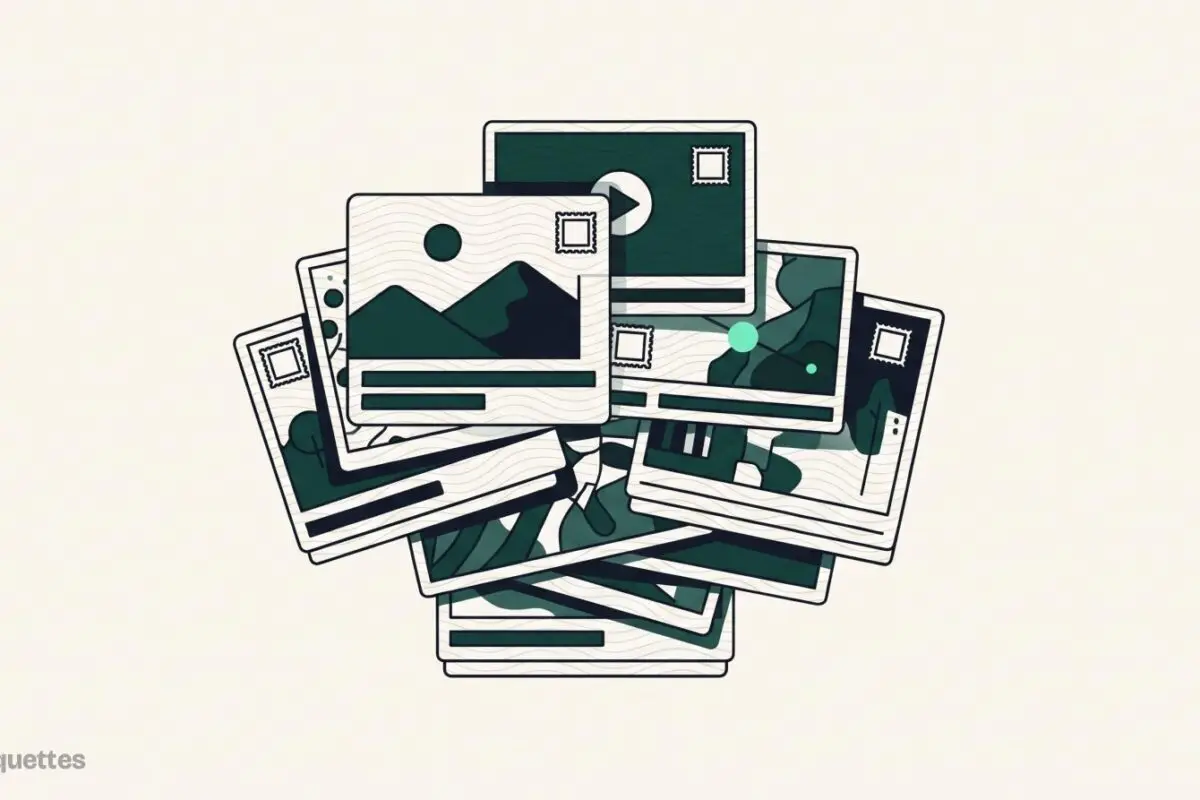
- Explicit labels that people can see or hear: a text notice at the start, end or middle of AI-generated text, a spoken or sound cue in audio, a visible mark on images, and a label on video, including at the start.
- Implicit labels embedded within the file’s metadata, including the name of the service that generated the content and a content identifier, so platforms can detect AI content automatically.
Who must label AI-generated content
- AI service providers must label AI-generated content their tools produce with both kinds of label. When a user downloads, copies or exports a file, the visible label must stay with it.
- Platforms must check content they host for implicit labels. If they find one, they show a visible label. If a user declares content as AI-generated, it is labelled too. Where there are signs that content is synthetic but no label, the platform marks it as suspected AI content.
- App stores must check that any AI app they list meets the rules.
- Users must declare AI-generated content when they publish it and must not remove, alter or hide labels.
Why it matters beyond China
Labels like these are meant to help people spot AI content and limit misinformation. China’s approach to transparency, combining visible labels with machine-readable metadata and platform checks, is similar to where other jurisdictions are heading. India’s 2026 rules, the EU AI Act’s transparency duties and California’s provenance law all use parts of the same model. Companies that build labelling into their tools for China have a head start elsewhere.
What creators and businesses should do
- If you use AI to make content for audiences in China: choose AI tools that embed compliant labels, and do not strip metadata.
- If you operate a platform there: build detection of hidden labels and a process for user declarations and suspected AI content.
- Everywhere: treat this as a preview. Visible and hidden labels together are becoming the global norm.
Background: China’s earlier AI rules
The labelling measures build on three earlier sets of rules for internet information services, covering algorithmic recommendation, deep synthesis and generative AI. The Provisions on Deep Synthesis, in force since January 2023, already required providers of deepfake-style services to label synthetic content and keep records. The Interim Measures for the Management of Generative Artificial Intelligence Services, in force since August 2023, set duties for public-facing generative AI, including content controls and security assessments. The 2025 measures turned those general labelling duties into a precise, standardised system.
China AI labelling rules: common questions
Do the rules apply to foreign companies?
They apply to services that provide AI-generated content to the public in China, and to platforms operating there. A foreign tool that is not offered in China is generally outside their scope, but content shared onto Chinese platforms will be checked and labelled by those platforms.
Is an AI watermark enough?
Not on its own. The rules expect both a visible label suited to the type of content and an implicit label in the file’s metadata.
Does it cover AI-generated text?
Yes. Text, images, audio, video and virtual scenes are all covered, and each needs a label suited to its format, such as a notice in the text or a spoken cue in audio.
How do China’s AI labelling rules compare with the EU AI Act?
Both require AI output to carry a machine-readable mark. China goes further on visible labels and platform checks, while the EU mainly requires visible disclosure for deepfakes and some text on public-interest matters.
How can I check my content is labelled?
Look at your AI tool’s export settings, keep the original file, and avoid editing apps that strip metadata. If a Chinese platform labels your upload as AI-made before you declare it, the hidden label has most likely survived.
Enforcement runs through China’s existing rules on internet content and deep synthesis, which give regulators power to order corrections and suspend services. Read our China tracker entry for sources and updates.
Last checked: 5 November 2026. This explains the law in plain English; it is not legal advice. Spotted an error? Tell us, and see how we check facts.